
How Long Does Flooring Last?
If you are thinking about new flooring, you are probably asking a simple question that does not have a simple answer: how long is this actually going to last?
The honest answer is that most flooring falls somewhere between 10 and 100 years, but that range is wide for a reason. Some materials, like carpet, may only last a decade in a busy home, while others, like hardwood, can easily last for generations with the right care.
So what actually makes the difference?
It comes down to a combination of the material you choose, how well it is installed, and how your space is used every day.
Let’s talk about how long each type of flooring really lasts, what shortens its lifespan, and how to tell when it is time to replace it.
Flooring Lifespan at a Glance
Before we get into the details, here is a quick snapshot of what you can expect from the most common flooring types:
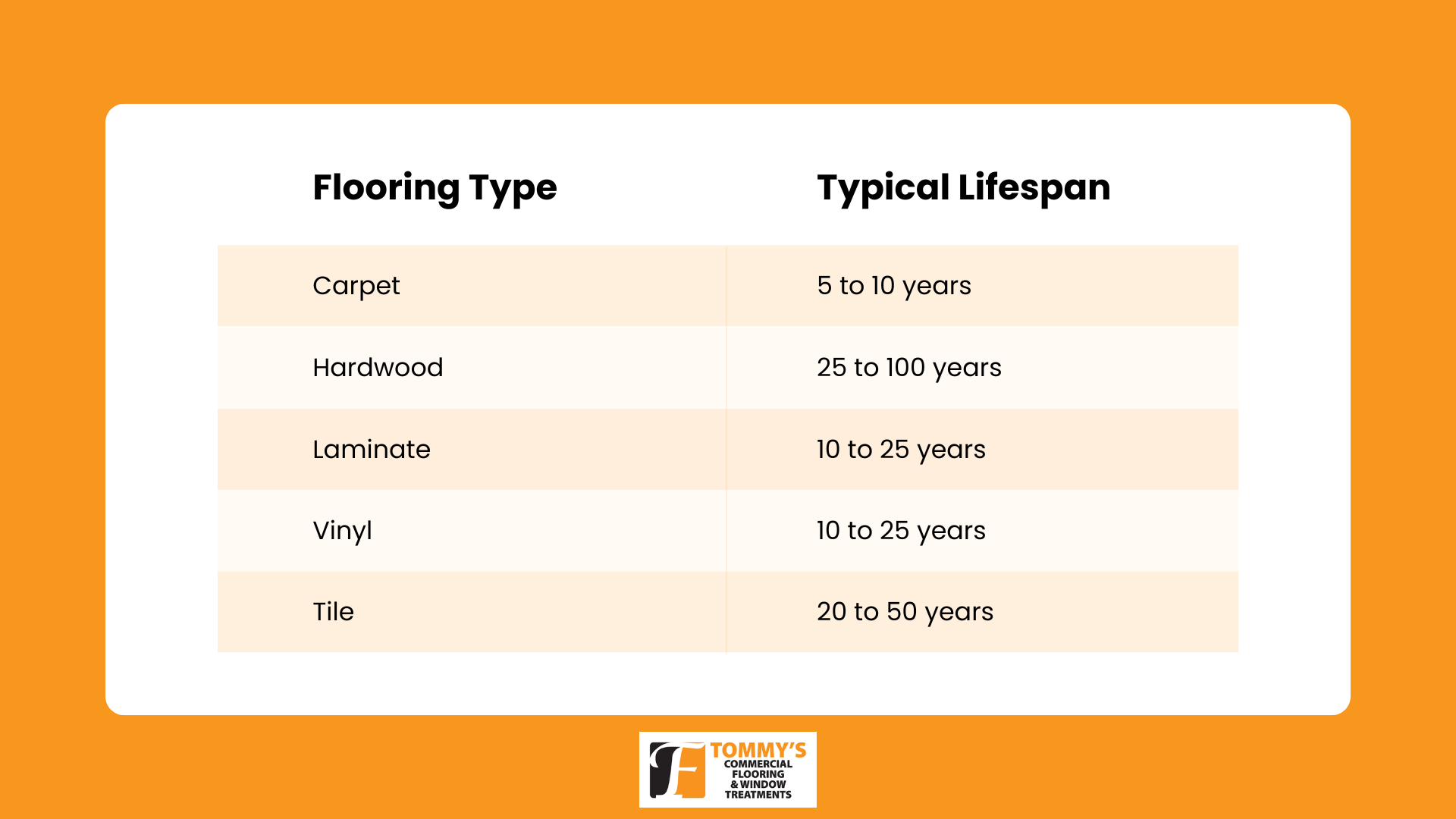
These ranges assume normal residential use, but as you will see, real life can shift those numbers quite a bit.
Carpet: Comfortable, But Not Built for the Long Haul
Carpet is one of the most comfortable flooring options you can choose, which is why it is still a go to for bedrooms and quieter areas of the home. It feels warm, soft, and inviting in a way that hard surfaces simply do not.
At the same time, it is not designed for long-term durability.
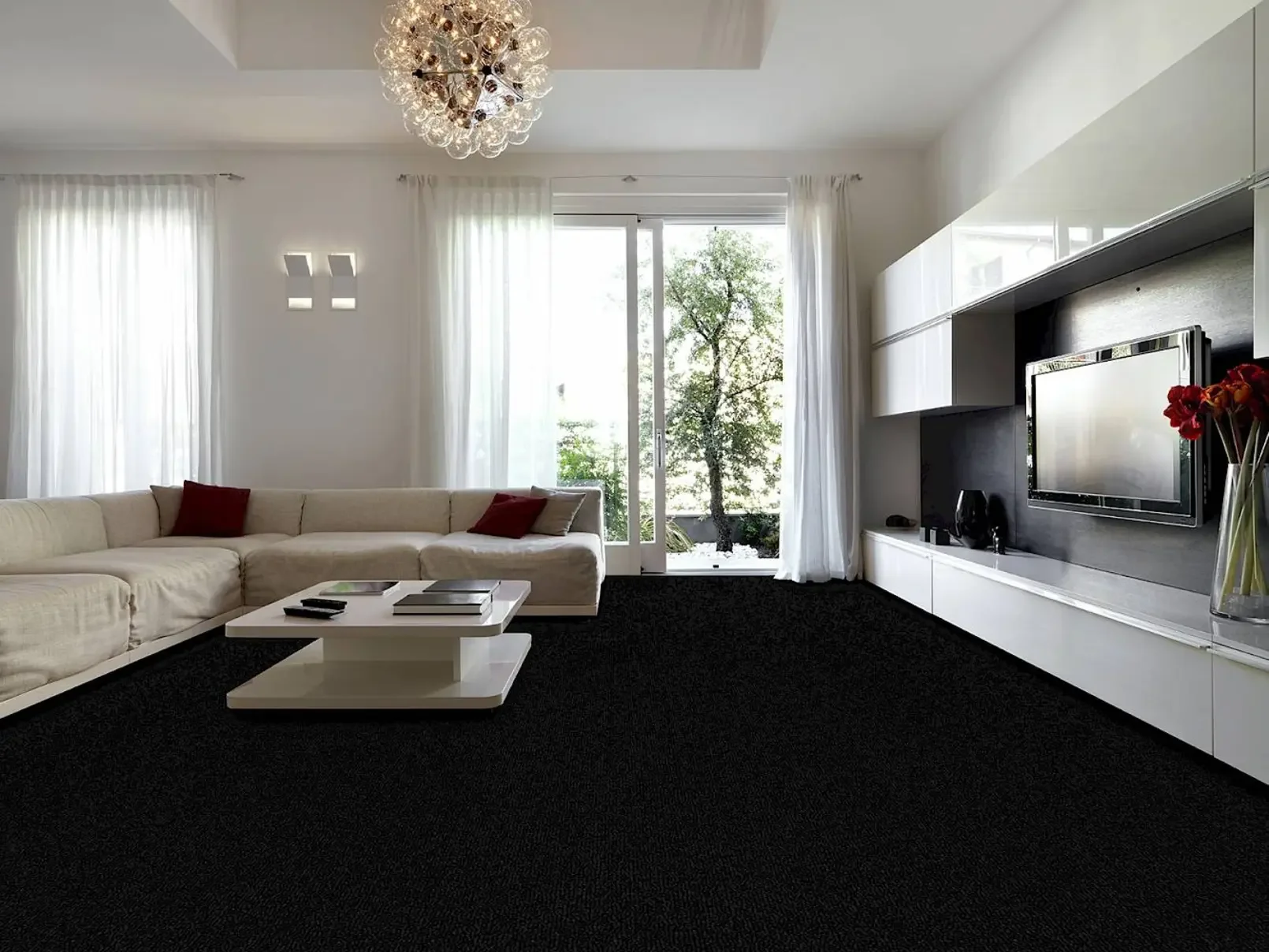
Most carpet will start to show its age between 5 and 15 years, and in high-traffic areas, that wear can appear much sooner. Fibres begin to flatten, stains become more noticeable, and over time, carpet can hold onto odours that are difficult to fully remove.
Homes with kids or pets tend to fall on the lower end of that lifespan simply because of the added wear and tear. For that reason, carpet is usually chosen for comfort rather than longevity, and it works best in spaces where durability is not the top priority.
Laminate Flooring: A Solid Middle Ground
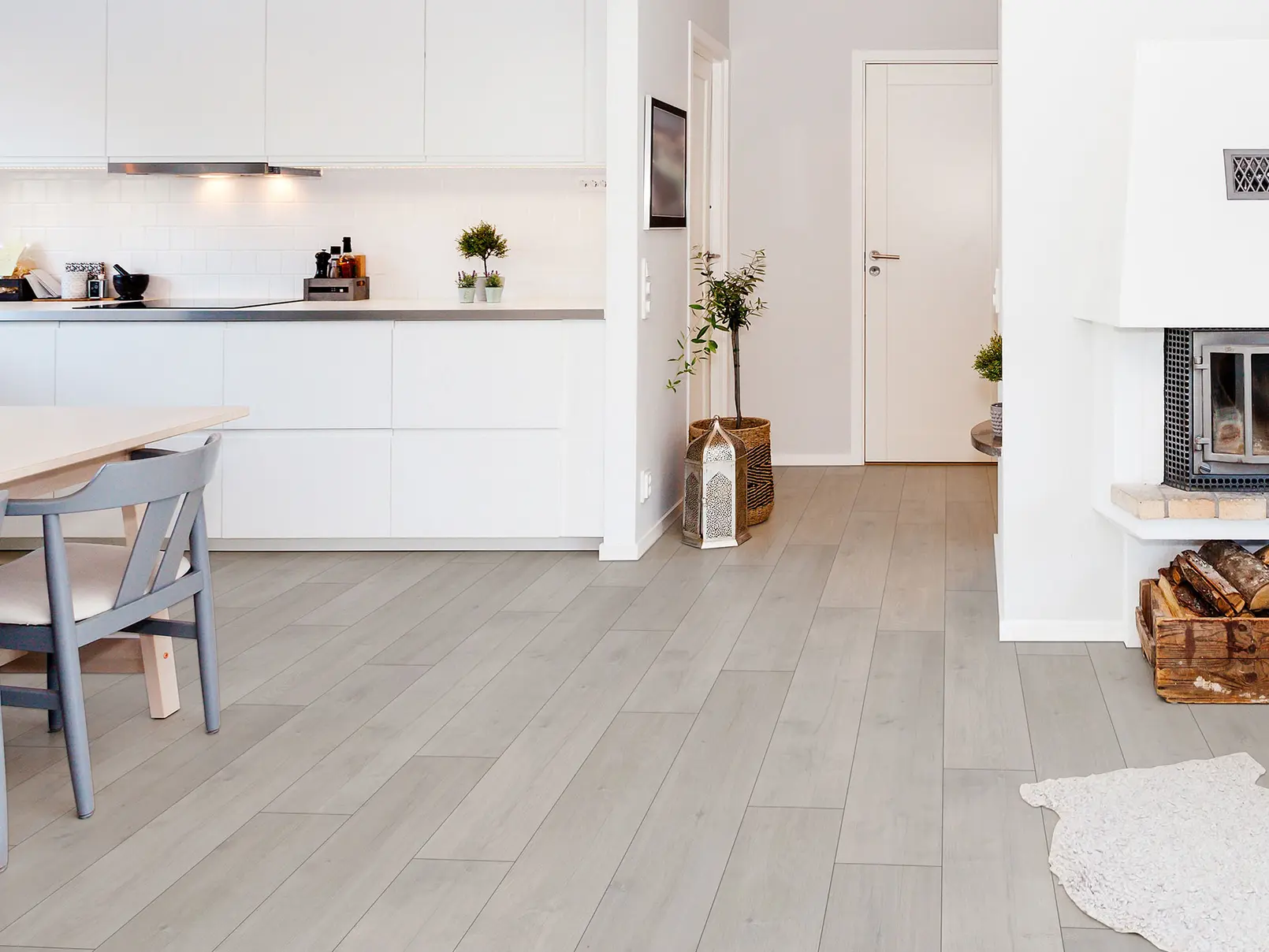
Laminate flooring is often seen as a balance between appearance and affordability, giving you a hardwood look without the same level of investment. It is also built to handle everyday use, including scratches and general wear from foot traffic.
In most cases, laminate flooring lasts between 10 and 25 years, depending on product quality and maintenance.
One important thing to understand is that laminate cannot be refinished. It has a protective top layer that, once worn down or damaged, cannot be restored. At that point, replacement becomes the only real option.
For many homeowners, laminate still makes sense as a cost-effective and durable solution, especially in spaces where you expect some wear over time.
Vinyl: Built for Real Life
Vinyl plank flooring has become one of the most popular choices for a reason. It is built to handle real life, from spills and moisture to pets, kids, and constant foot traffic.
Most vinyl flooring lasts between 10 and 25 years, although higher-quality products can last longer with proper installation and care.
Where it really stands out is its resilience. It handles water better than most other flooring types, making it a strong choice for kitchens, basements, and entryways. It also resists scratches well, which is a big advantage in busy households.
Like laminate, it cannot be refinished, so once it shows significant wear, replacement is usually the next step. Even so, for many homeowners, the durability and low maintenance make it an easy choice.
Hardwood: The Long-Term Investment
Hardwood sits in a completely different category when it comes to lifespan.
A well-maintained hardwood floor can last decades, often 25 years at a minimum and in many cases 75 years or more. Some hardwood floors have even lasted over a century.
What makes that possible is the ability to refinish the surface. Scratches, fading, and general wear are not the end of the road. Instead, they can be sanded down and restored, sometimes multiple times over the life of the floor.
That said, hardwood does require a bit more care than other options. Changes in humidity, especially in climates with seasonal shifts, can affect its performance. When properly maintained, though, it remains one of the most durable and long-lasting flooring investments available.
Tile: Tough and Built to Last
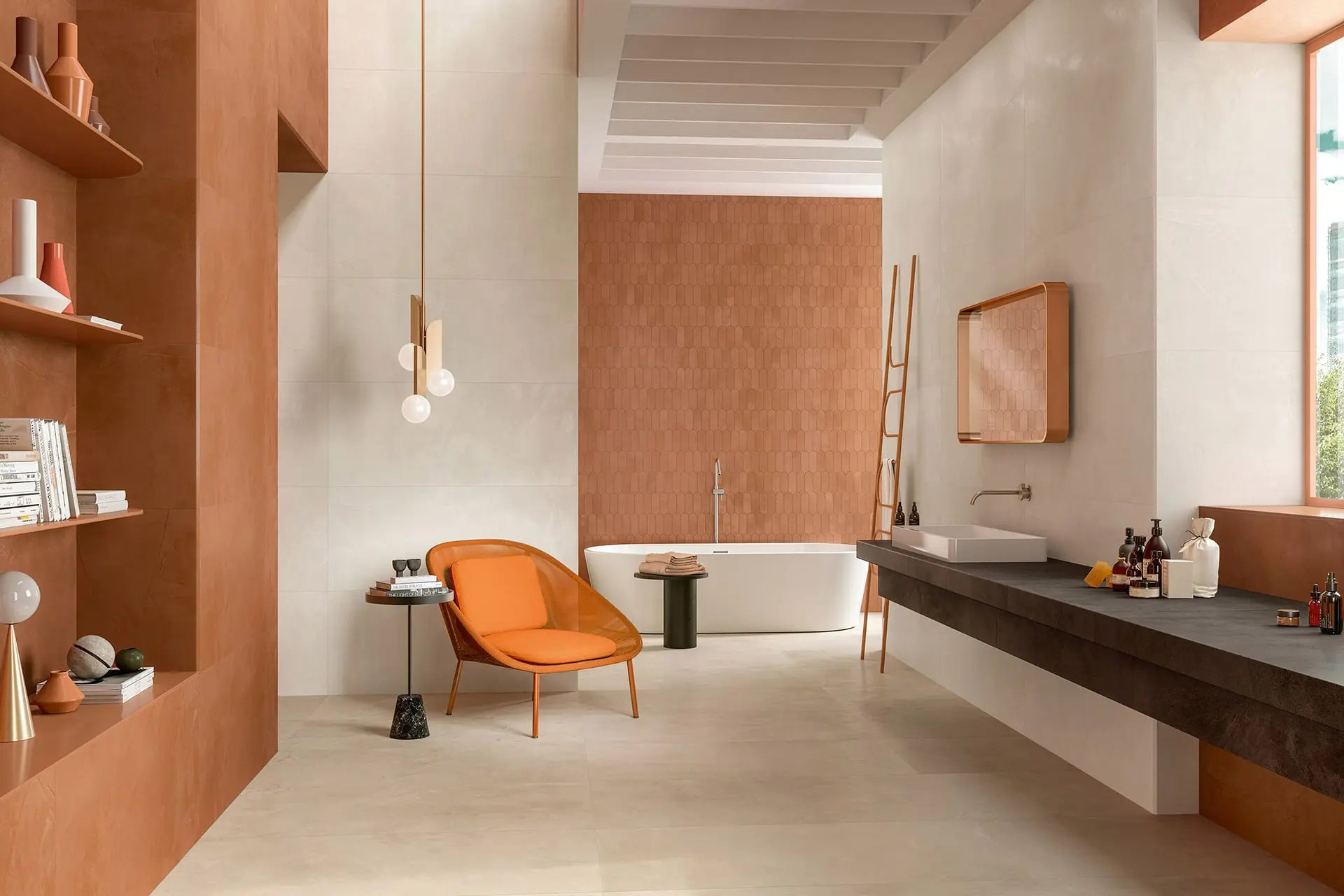
Tile is known for its durability, and for good reason. In many homes, tile flooring lasts anywhere from 20 to 50 years or longer, often with very little visible wear.
The tiles themselves are extremely tough. They resist scratches, moisture, and heavy use, which is why they are so commonly used in bathrooms, kitchens, and entryways.
In most cases, it is not the tile that fails first. It is the grout or the installation underneath. Cracks, shifting, or moisture issues tend to come from those areas rather than the tile surface itself.
When installed properly and maintained over time, tile can easily last for decades.
What Affects How Long Flooring Lasts?
While the material you choose sets the baseline, several other factors play a major role in how long your flooring will actually last in your home.
Installation quality is one of the biggest. Even a high-end product can fail early if it is installed over an uneven subfloor or not properly secured.
Foot traffic also makes a noticeable difference. A guest bedroom and a busy hallway experience completely different levels of wear, even with the same flooring.
Moisture is another important factor, especially in climates where humidity fluctuates throughout the year. Some materials handle that better than others, and choosing the wrong one for the space can shorten its lifespan.
Then there is everyday life. Pets, kids, spills, furniture movement. All of it contributes to how quickly a floor begins to show signs of wear.
How to Tell When It Is Time to Replace Your Flooring
At some point, every floor reaches a stage where repair is no longer enough.
Sometimes the signs are obvious, like deep scratches, visible damage, or areas that have worn down significantly. In other cases, the changes are more gradual, such as stains that will not come out, lingering odours, or sections that feel uneven underfoot.
There is also a visual component to consider. Flooring plays a major role in how a space looks and feels, and when it starts to make the room feel dated or worn, that can be reason enough to consider an update.
Repair or Replace: How to Decide
Whether you can repair your flooring or need to replace it depends largely on the material.
Hardwood offers the most flexibility, since refinishing can restore its appearance without the need for a full replacement. Tile can sometimes be repaired by replacing individual pieces or refreshing the grout.
Laminate and vinyl are more limited in this area. While small sections can occasionally be fixed, widespread damage usually points toward replacement as the more practical solution.
If repair costs start to approach the cost of new flooring, it is often worth stepping back and considering the long-term value of replacing it instead.
How to Make Your Flooring Last Longer
No matter what type of flooring you choose, a few simple habits can go a long way in extending its lifespan.
Keeping dirt and debris under control helps prevent surface wear, especially in high-traffic areas.
Using mats at entryways and rugs in busy spaces can also reduce the amount of stress on your floors.
It is also important to clean up spills quickly, particularly on materials that are sensitive to moisture.
Adding protective pads to furniture can help prevent scratches, and maintaining consistent indoor humidity levels can make a difference for materials like hardwood.
Over time, these small steps add up and help your flooring perform better for longer.
So, How Long Does Flooring Really Last?
By now, you have probably realized that when it comes to flooring, lifespan is only one part of the story. It is about how well it fits your space, your lifestyle, and your expectations over time.
Getting that balance right from the start makes all the difference.
If you are in the Fredericton area and considering new flooring, connect with our team at Tommy’s Flooring, and we can help you choose an option that looks great and lasts for years to come.
